
Poison Ivy Education Center
Learn what poison ivy actually looks like
Most poison ivy advice stops at “leaves of three.” That is true, but it is also too vague to be very useful.
Poison ivy can look different depending on where it is growing, how old the plant is, how much sun it gets, and what season it is. It can creep along the ground, grow as a small shrub-like plant, or climb trees and fences as a vine. Older climbing vines can look thick, woody, and hairy.
This page is built to help you slow down, look closely, and start recognizing the plant before you touch it, pull it, mow it, or let your kids or pets run through it.
Join the Poison Ivy Removal and Education Community
Our Poison Ivy Removal and Education Facebook group has over 25,000 members sharing plant photos, identification questions, and real examples from yards, gardens, fence lines, and wooded edges. Apps can help, but seeing real plants in real situations helps you learn what to avoid.
What to Look for in Real Life
The Middle Leaflet: The center leaflet often has a longer stalk than the two side leaflets. Focus on that difference rather than just counting to three.
The Side Leaflets: The two side leaflets may look like uneven mittens, often with one side slightly bigger than the other. They are not always symmetrical.
The Stem Pattern: Poison ivy leaves usually grow alternately along the stem, not in neat opposite pairs. This is one of the clues that can help separate it from look-alikes.
The Vine: If it is climbing trees, fences, stumps, or brush piles, older poison ivy vines can look hairy because of the tiny aerial roots that help them attach.
The Location: Poison ivy often grows along edges. Check fence lines, tree bases, wood piles, unmowed areas, trails, hedges, old garden beds, and places where birds perch.
The Bigger Picture: Do not identify poison ivy from one leaf. Look at the full plant, the stem, the growth pattern, and where it is growing.
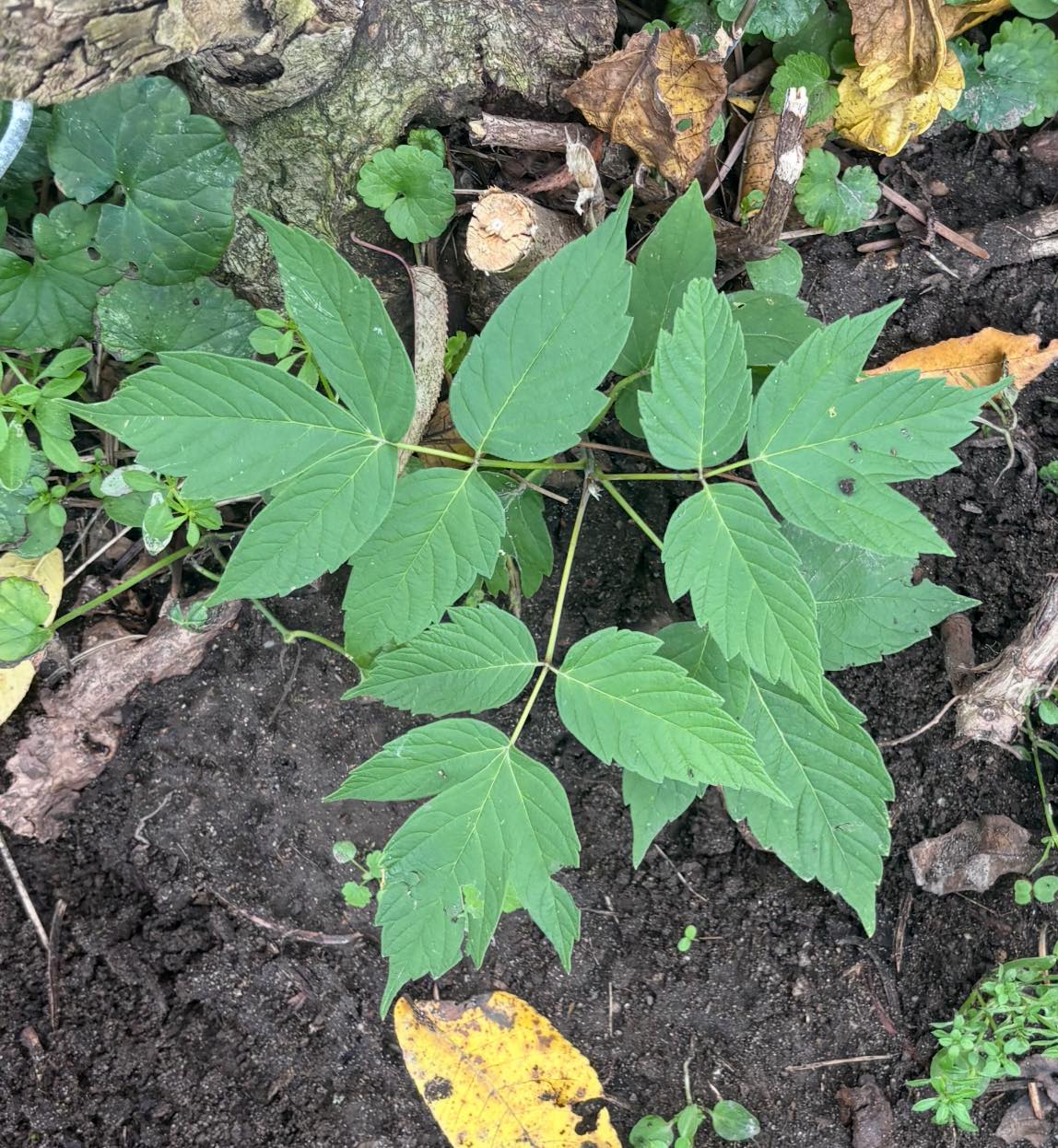
Box Elder
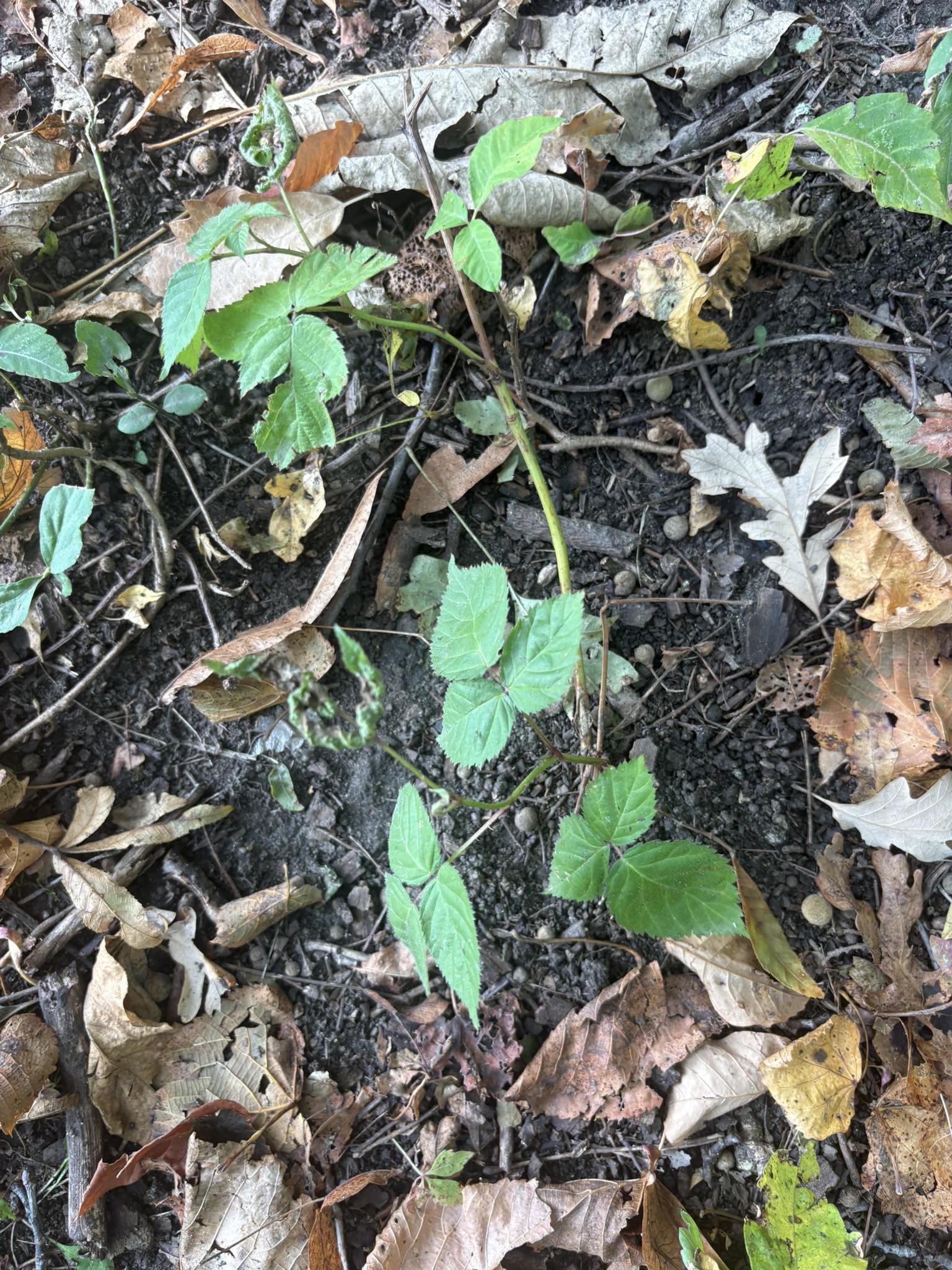
Raspberry
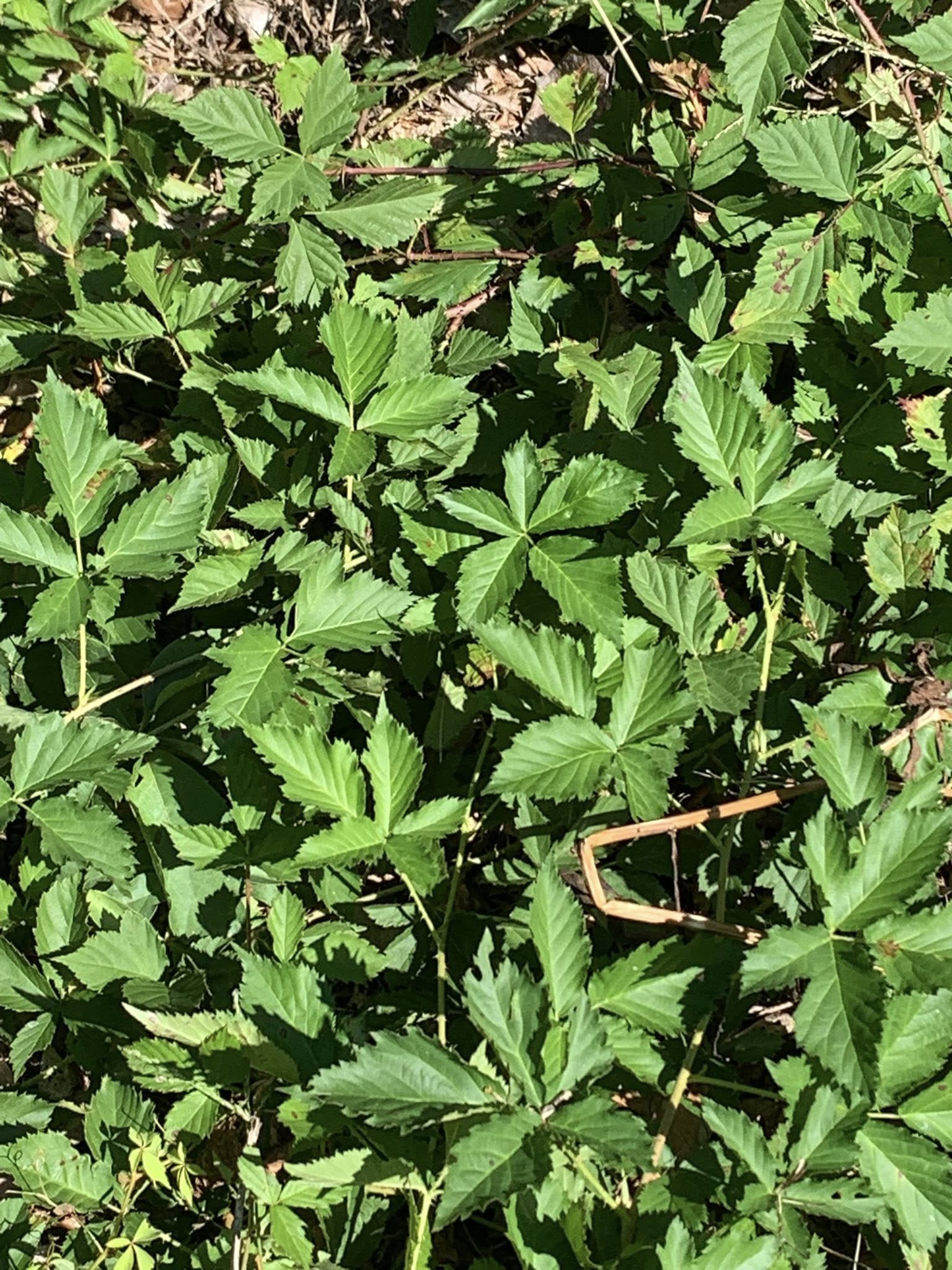
Virginia Creeper
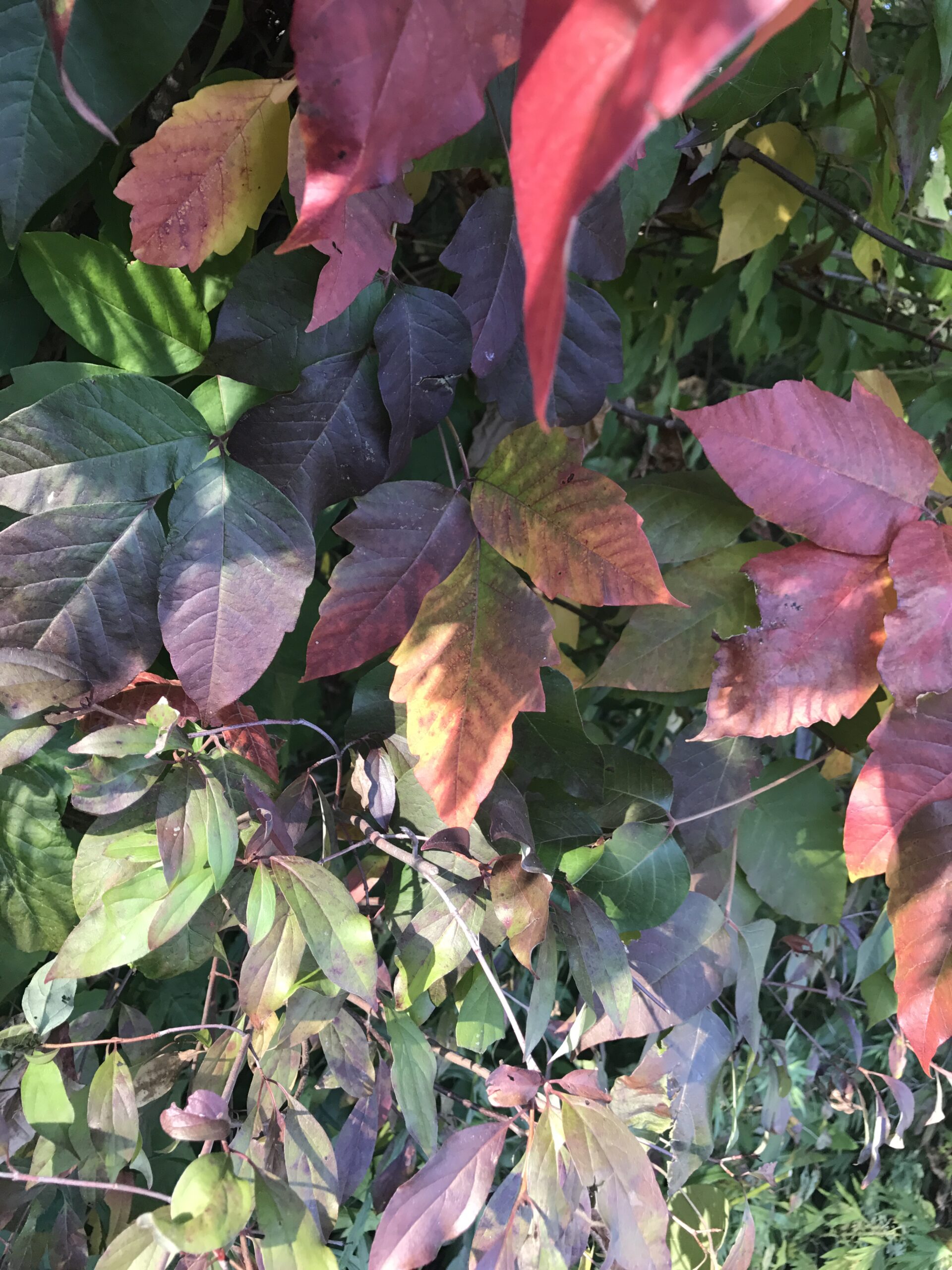
Poison Ivy Fall
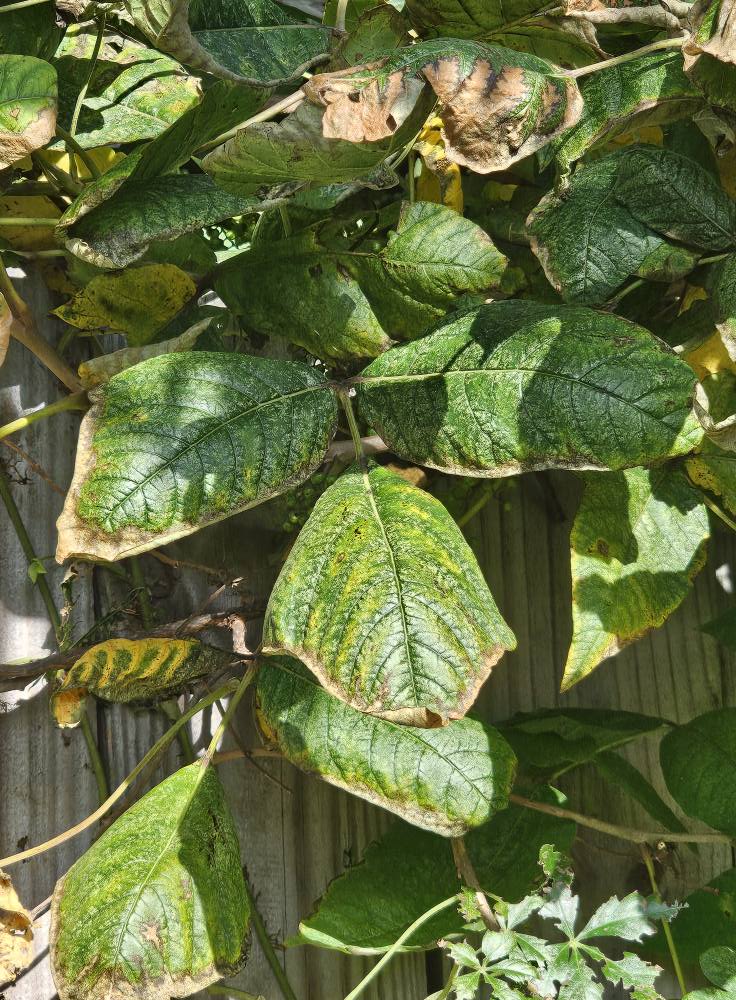
Poison Ivy Leaf
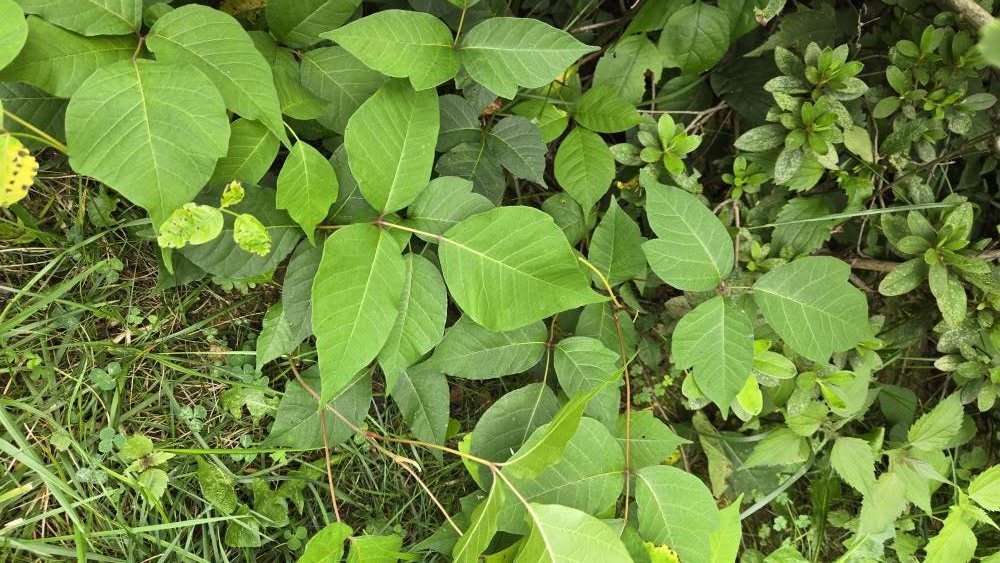
Poison Ivy Leaf
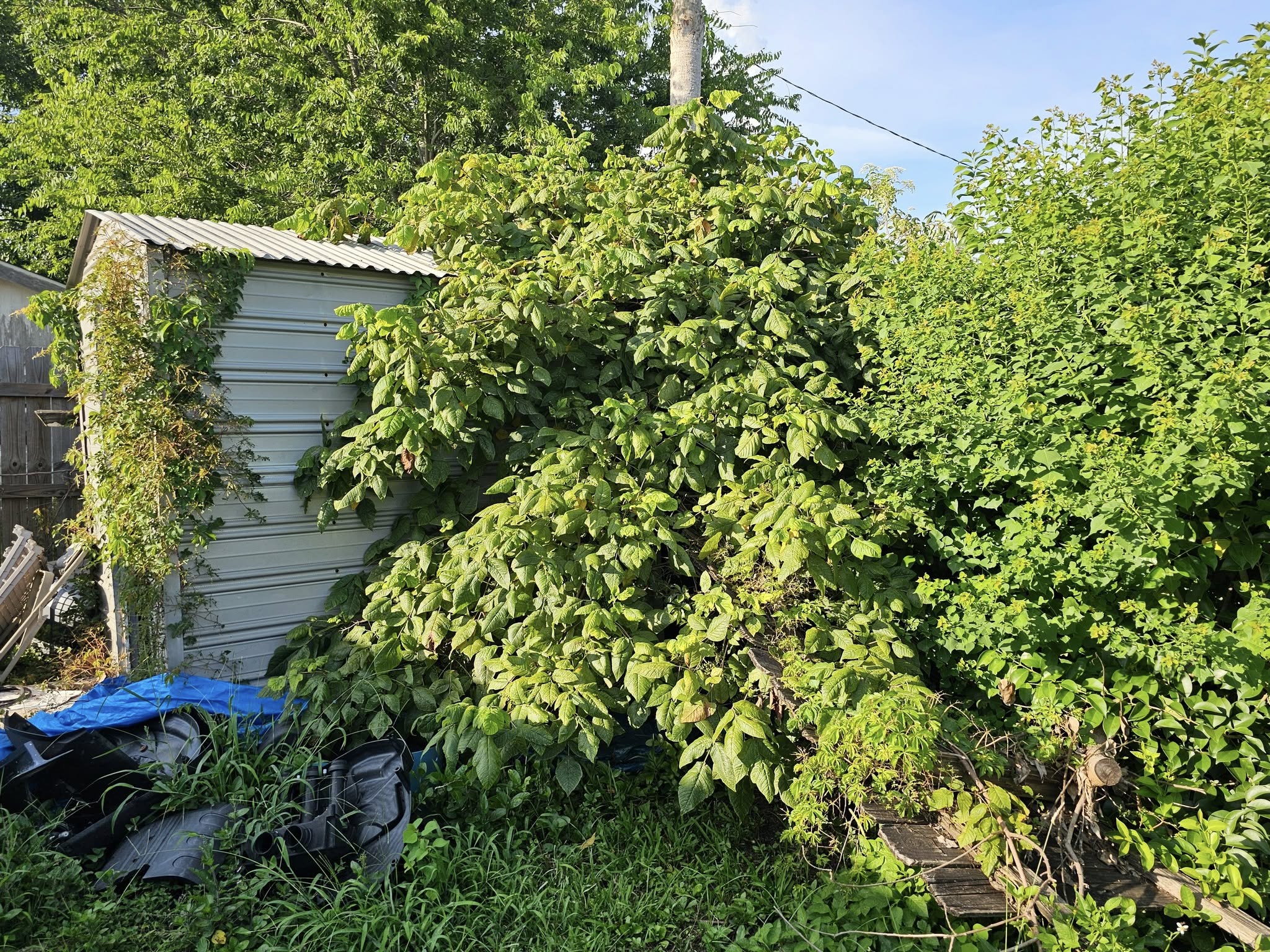
Poison Ivy Bush
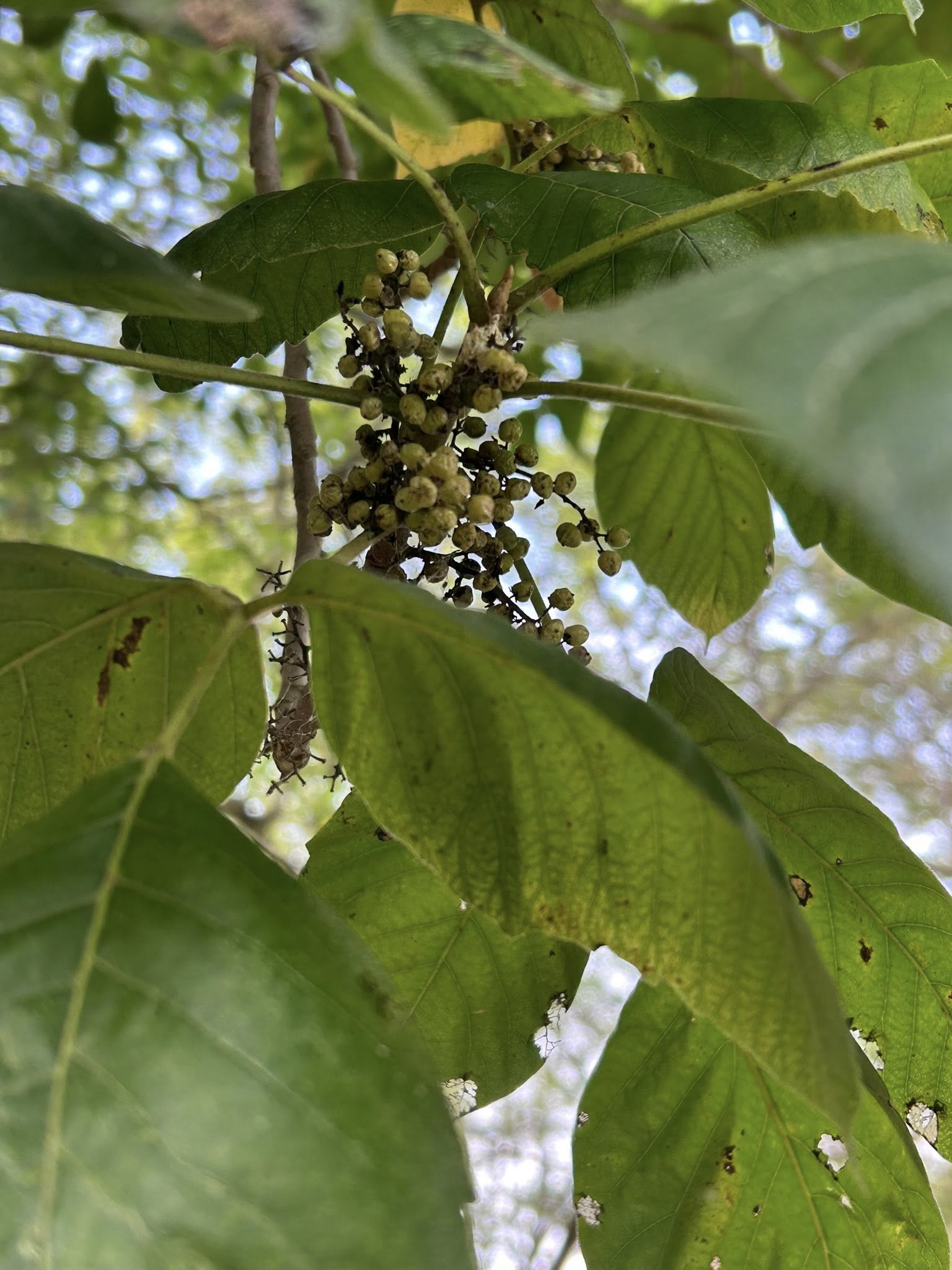
Poison Ivy Berries
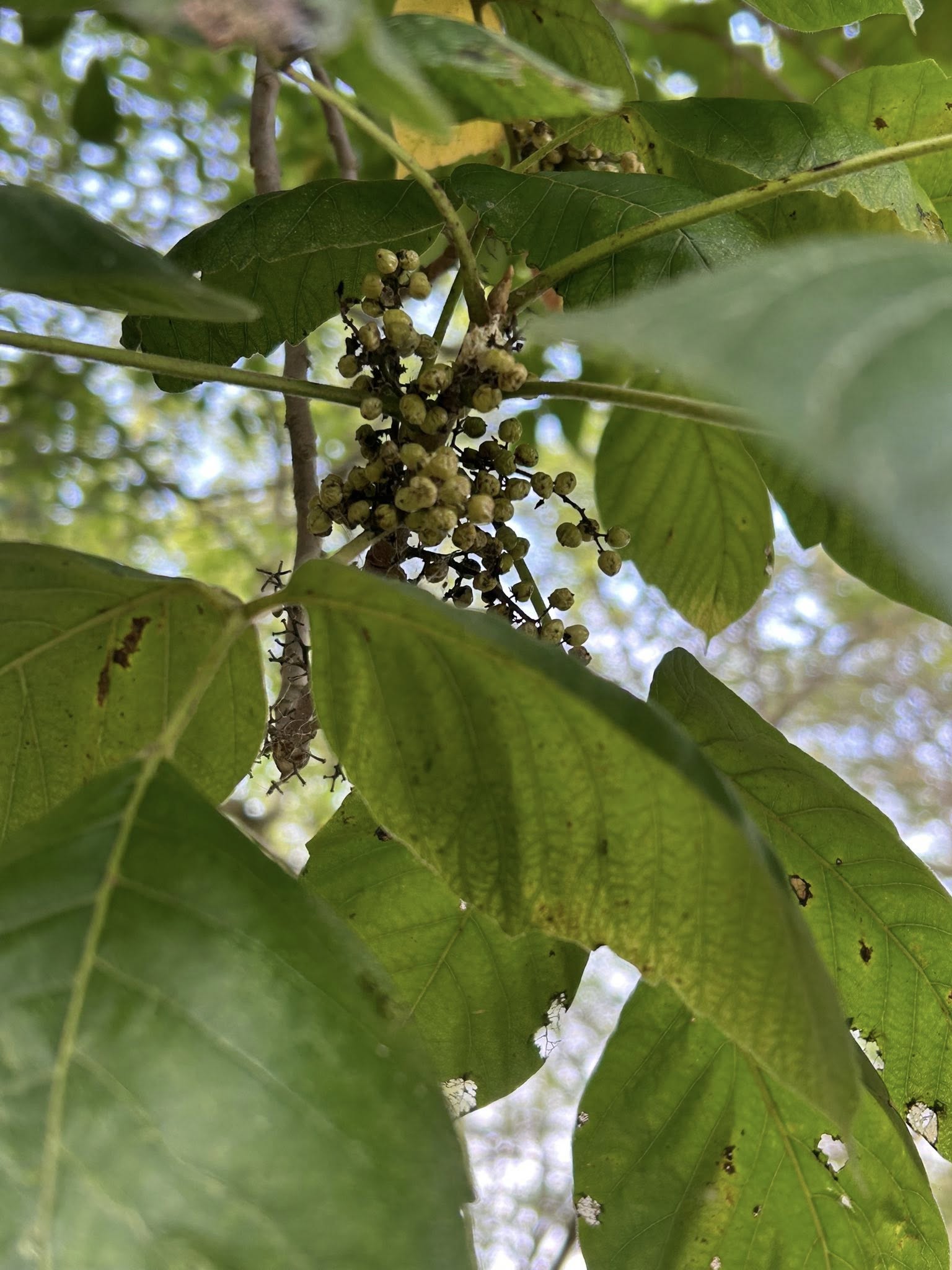
Poison Ivy Berries
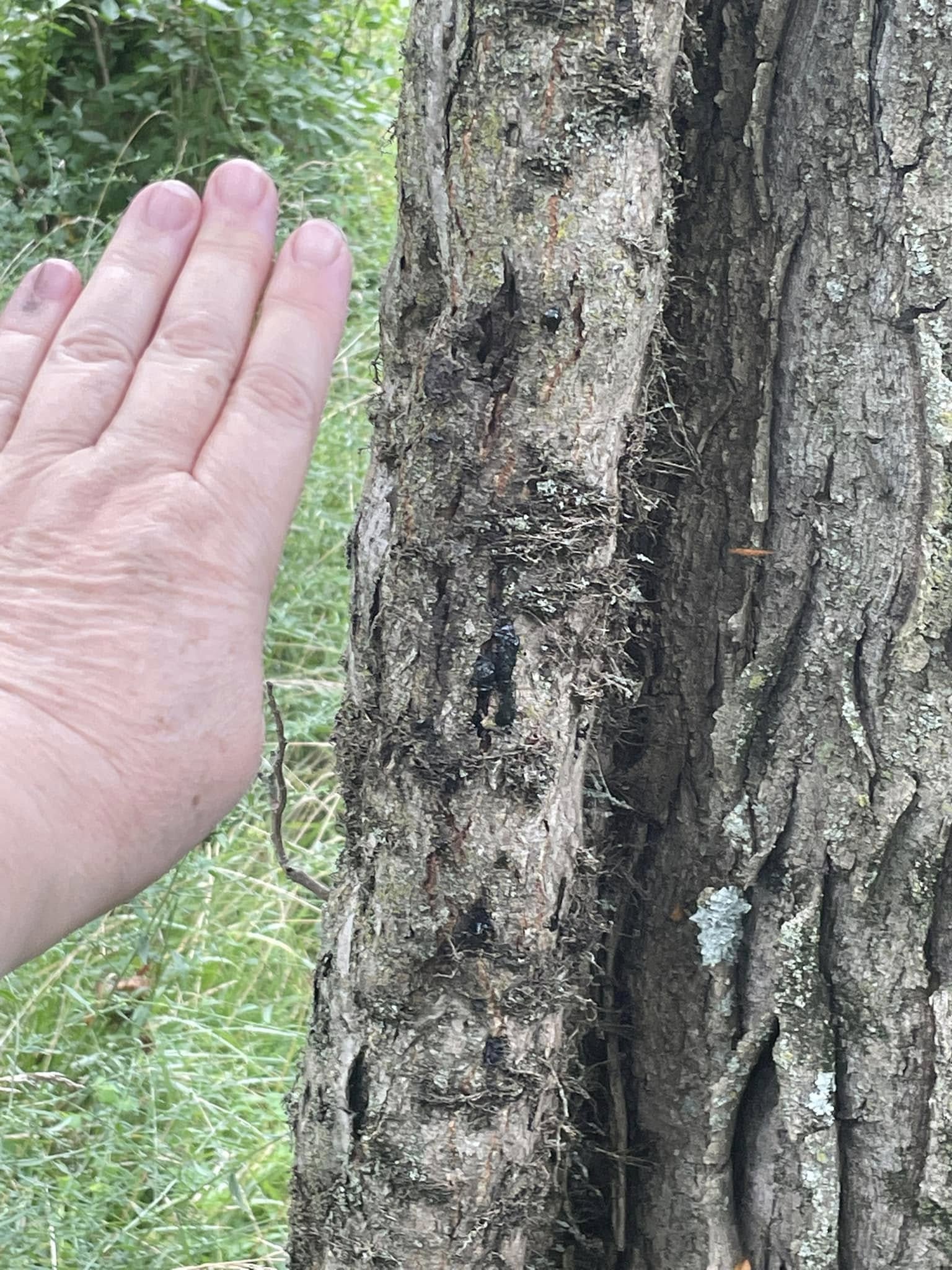
Poison Ivy Vine 4 Inch
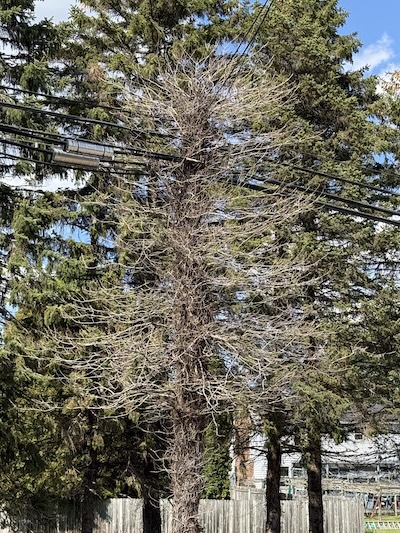
Poison Ivy Vine Shape
Common Poison Ivy Look-Alikes
Box Elder Seedlings: Young box elder trees can look a lot like poison ivy because they may have three leaflets. One helpful clue is that box elder leaves often grow opposite each other on the stem, while poison ivy usually alternates.
Virginia Creeper: Virginia creeper usually has five leaflets when mature, but young growth can sometimes show fewer. It also climbs and often grows near poison ivy, so both plants can be in the same area.
Raspberry and Blackberry: These can have three-part leaves, but they usually grow on thorny or prickly canes. Poison ivy does not have thorns.
New Spring Growth: Young poison ivy can look reddish, shiny, folded, or softer than people expect. It may not look like the larger green leaves shown in basic plant charts.
Odd Growth: Most poison ivy has three leaflets, but plants are living things. You may see damaged leaves, unusual growth, or confusing shapes. When something looks off, step back and look at the whole plant instead of trusting one leaf.

Poison Ivy Field Notes:
Real examples, seasonal observations, and removal notes from poison ivy projects around the Rochester, NY area.


The ITCHY Project
HARDWORK AND ATTENTION
IF BUTTERFLIES LAND THERE, DON’T PUT YOUR HAND THERE
LEAVES OF THREE, LET IT BE
HAIRY VINE, NO FRIEND OF MINE
RED LEAFLETS IN THE SPRING…IT’S A DANGEROUS THING
SIDE LEAFLETS LIKE MITTENS WILL ITCH LIKE THE DICKENS
Plant ID & General Questions
Not sure if it’s poison ivy? Start with free resources, plant ID tools, and community feedback before paying for help.
Virtual Consultation
A 20–30 minute call to talk through your specific situation, photos, risks, and next steps.
On-Site Removal Assessment
For homeowners in my service area who may need removal. Photos and a brief intake are required before scheduling.
Commercial Consultation & Training
For businesses, landscapers, builders, HOAs, municipalities, realtors, and property managers.