
Poison Ivy: What to Do in the First 15-30 Minutes
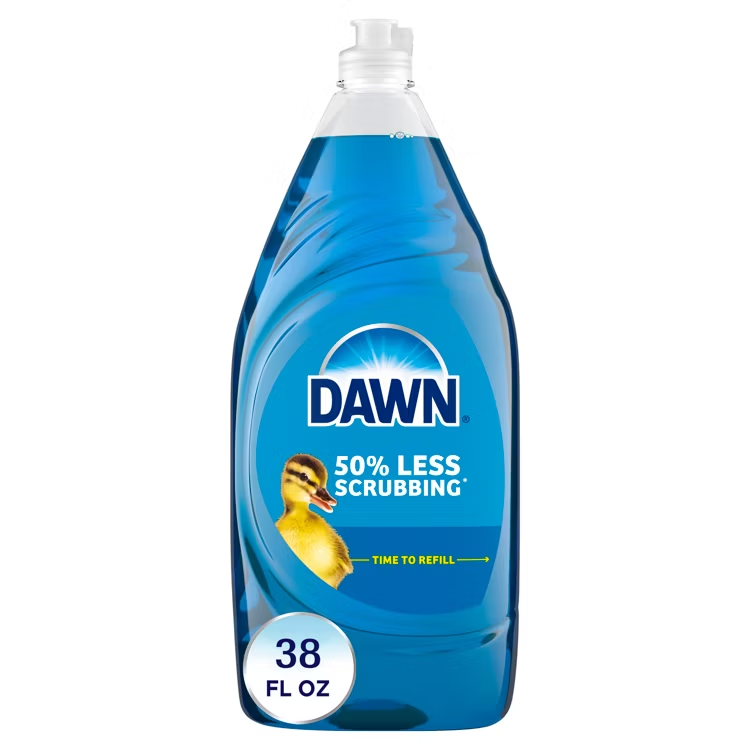
The sooner you wash, the better. The first 10–20 minutes are especially important, but washing within 30 minutes can still make a difference. After that, cleanup still matters because urushiol oil can remain on clothing, tools, shoes, pets, and surfaces. The rash may come later, but the oil is the immediate problem. Removing it early can reduce oil transfer, lower the chance of a more widespread reaction, and may lessen the reaction compared with leaving the oil on your skin.
In the First 15-30 Minutes
Next 6 Hours
If you are unsure you got everything, wash again.
At this point, shift your focus away from your skin and toward anything the oil may have spread to.
Common problem areas include:
- Shoes
- Tools
- Gloves
- Pet fur
- Steering wheels
- Door handles
- Backpack straps
- Phones
- Jackets and sleeves
- Garden tools and tool handles
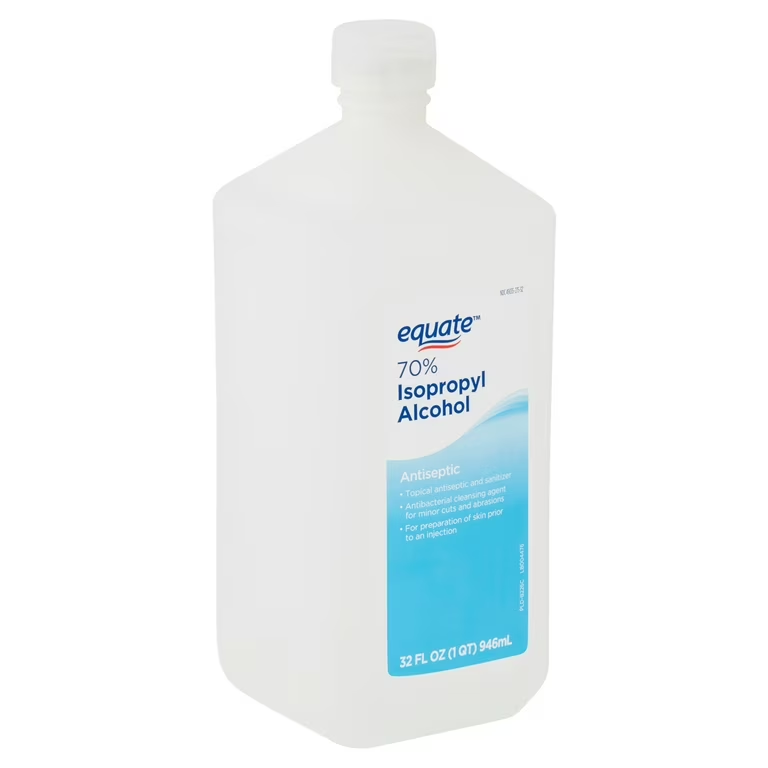
Use isopropyl alcohol or alcohol wipes to clean hard surfaces and equipment. This helps remove urushiol oil so you do not accidentally re-expose yourself later.
This is where many people get confused. The rash itself does not spread. The oil spreads.
If contaminated clothing is left in a pile, rubbed onto furniture, transferred to pet fur, or left on tools and gloves, you can continue exposing yourself long after the original contact.
Helpful supplies to keep on hand:
- Disposable Nitrile Gloves
- Isopropyl alcohol or alcohol wipes
- Heavy-duty contractor trash bags
- Old towels or shop rags
- Spare clothes
- Paper towels
- Extra socks and gloves if working outdoors for long periods
- Plastic bins or sealed containers for contaminated gear
These are simple, practical items, but they make a major difference when dealing with repeated or heavy exposure.
Next Day
Once The Rash is Active
At this stage, you are managing symptoms, not preventing them.
For milder cases, people commonly try:
- Hydrocortisone cream
- Cool compresses
- Oatmeal baths
- Antihistamines
- Keeping the area clean and dry
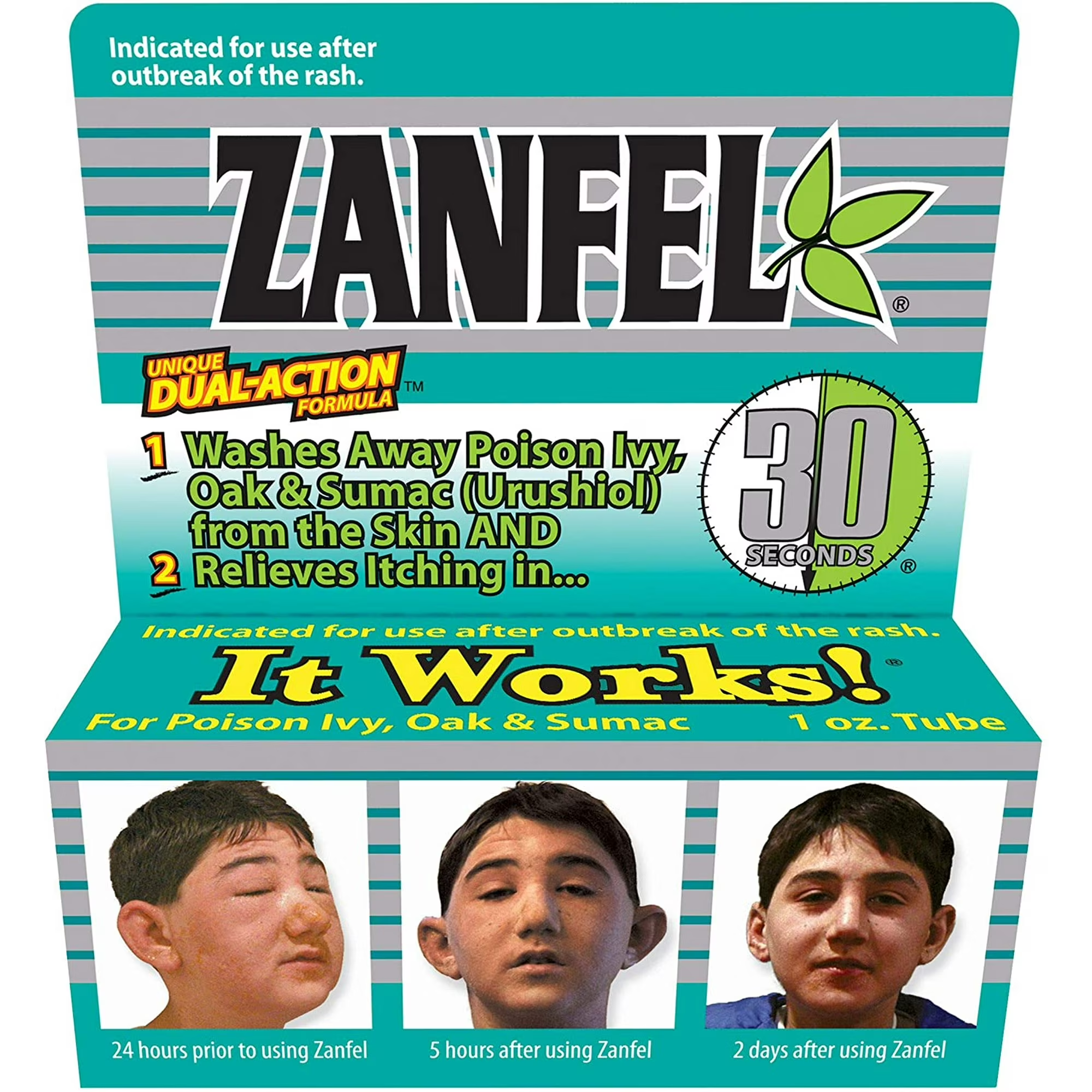
For more aggressive reactions, this is where Zanfel often comes into the conversation and why many people feel it works differently than Tecnu.
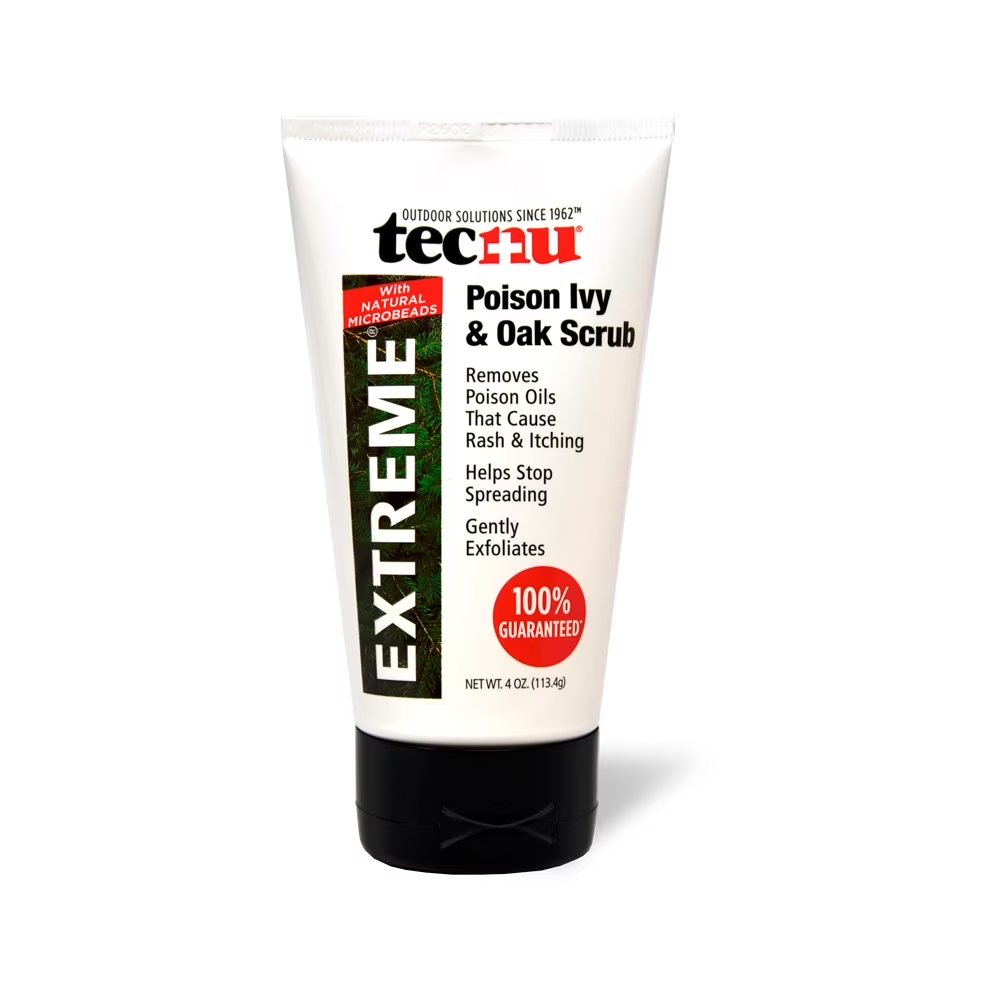
Tecnu is something I think about earlier in the process, when you are still trying to remove urushiol oil from the surface of the skin shortly after exposure.
Zanfel is different because at this stage the reaction is already active. You are no longer just washing the surface of the skin. The reason many people feel Zanfel is so effective is that it is designed to bind to and lift remaining urushiol compounds associated with the reaction itself.
Urushiol also has a relatively small molecular structure compared to many common oils, which is part of why it spreads easily and penetrates the skin so effectively.
Zanfel also has very specific instructions, and people should actually read them carefully instead of treating it like regular soap.
The basic process is generally:
- Use about one inch of the product
- Add a small amount of water
- Work it into a gritty lather for roughly 30 seconds
- Rub it on the affected area for about 1½ minutes
- Rinse thoroughly
Personally, it is one of the few over-the-counter products I actually notice a difference with once the itching or tingling sensation has already started. It also does a surprisingly good job helping calm the itch itself.
For itch relief, different people swear by different approaches:
- Some people prefer very cold water or cool compresses
- Some use oatmeal baths or hydrocortisone creams
For me personally, very hot water can temporarily interrupt the itch, especially when trying to sleep. The heat seems to overload or activate the nerve endings for a short period, which can reduce the itching sensation afterward.
That said, everybody reacts differently, and extremely hot water can further irritate sensitive skin if overdone.
If over-the-counter products are not controlling the reaction, you are likely past the DIY stage.
I am not a doctor, and this is not medical advice. I am sharing practical experience from working around poison ivy regularly. If your reaction is severe, worsening, affecting your face or eyes, causing significant swelling, or you feel you need medical care, contact a medical professional.
When to Seek Medical Attention
There is a point where poison ivy stops being a “deal with it at home” situation.
If you are dealing with:
- Swelling around the face or eyes
- Rash in sensitive areas
- Significant blistering
- A severe or rapidly worsening reaction
- Trouble sleeping because of the itch or inflammation
- Widespread coverage across the body
- Signs of infection from excessive scratching
…you are likely beyond the DIY stage.
At that point, many people end up needing prescription-strength steroids or additional medical treatment to get the reaction under control.
Urgent care is often the fastest and most practical option, especially if symptoms escalate quickly or you cannot get into a dermatologist promptly.
What Doesn’t Work
A lot of things get recommended that don’t solve the actual problem.
Vinegar
Boiling water
Bleach
Random “natural” mixes (essential oils, baking soda, etc…)
These might affect the surface, but they don’t remove the oil or stop the reaction process.
Plant ID & General Questions
Not sure if it’s poison ivy? Start with free resources, plant ID tools, and community feedback before paying for help.
Virtual Consultation
A 20–30 minute call to talk through your specific situation, photos, risks, and next steps.
On-Site Removal Assessment
For homeowners in my service area who may need removal. Photos and a brief intake are required before scheduling.
Commercial Consultation & Training
For businesses, landscapers, builders, HOAs, municipalities, realtors, and property managers.